

These Are the Robert De Niro Movies You Have to See at Least Once
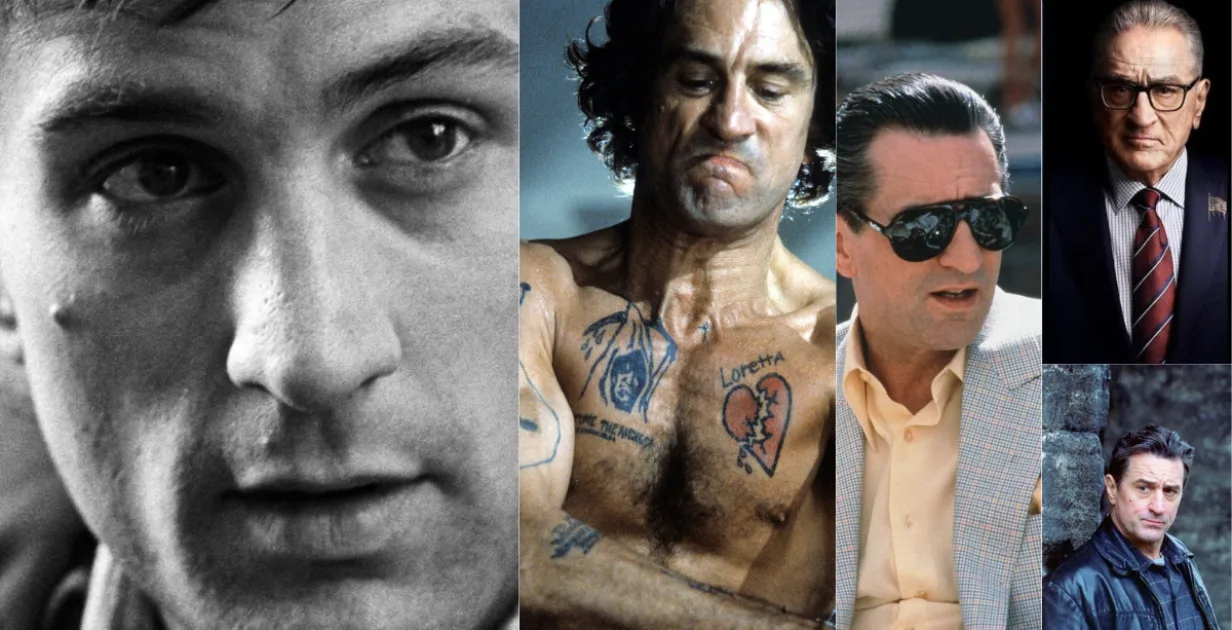

Some actors are great, and some actors can change the mood of a scene just by walking into it. Robert De Niro is definitely in the second group.
For fifty years, De Niro altered what it meant to be dedicated in films by gaining and losing weight, learning new accents, replicating real-life habits, and getting so engrossed in his characters that the line between actor and role erased. People react differently now because of his work with Martin Scorsese. He can quickly go from portraying ruthless gangsters to broken antiheroes to comedy with razor edges.
24
Raging Bull (1980)
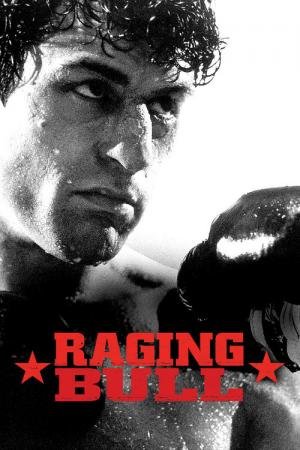
Director: Martin Scorsese
A tough and honest look at hurting yourself. Many people believe this is the finest acting ever captured on film.
- Gained and lost massive weight for authenticity
- Learned professional boxing techniques
- Turned rage into vulnerability
This isn’t a sports movie, it’s about a man at war with himself.
23
Taxi Driver (1976)
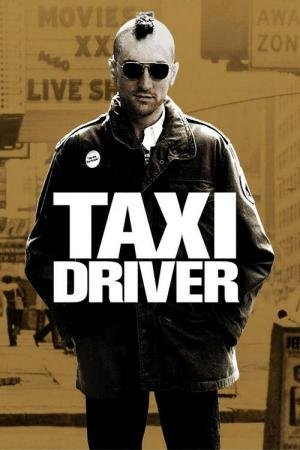
Director: Martin Scorsese
A defining film of 1970s American cinema and the blueprint for the modern antihero.
- Created Travis Bickle’s inner monologue
- Studied real cab drivers
- Delivered an improvised, iconic performance
This isn’t about violence, it’s about isolation curdling into danger.
22
The Godfather Part II (1974)
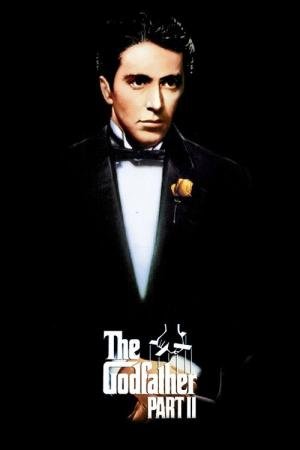
Director: Francis Ford Coppola
One of the rare sequels that surpasses the original.
- Learned Sicilian dialect
- Used silence and body language over dialogue
- Built the myth of Vito Corleone from the ground up
21
Goodfellas (1990)
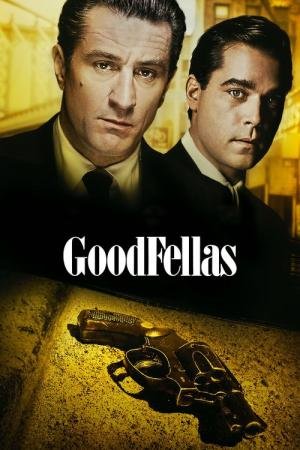
Director: Martin Scorsese
The definitive gangster film of the modern era.
- Played menace through calm restraint
- Let silence dominate scenes
- Avoided glamorizing violence
20
The Deer Hunter (1978)
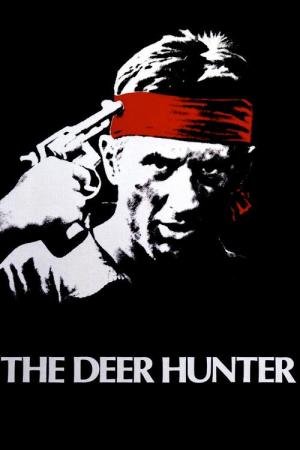
Director: Michael Cimino
A devastating examination of friendship, war, and trauma.
- Used silence as emotional weight
- Played moral rigidity cracking under pressure
- Anchored a sprawling epic with restraint
19
Heat (1995)
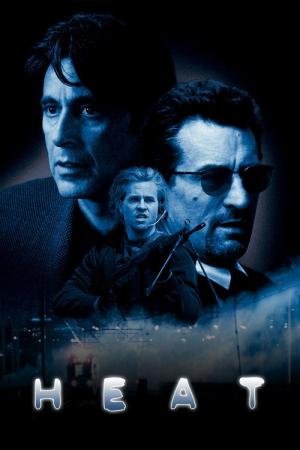
Director: Michael Mann
One of the smartest crime films ever made.
- Played crime as disciplined professionalism
- Avoided emotional outbursts
- Created an iconic understated rivalry
18
Once Upon a Time in America (1984)
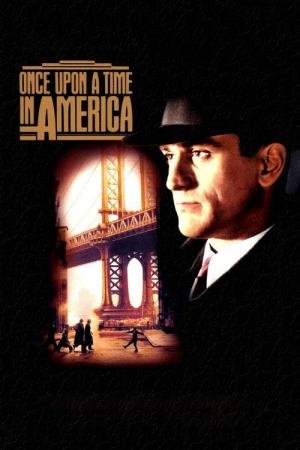
Director: Sergio Leone
An epic meditation on memory, regret, and lost time.
- Aged decades through physicality
- Let nostalgia shape performance
- Played guilt without dialogue
17
Casino (1995)
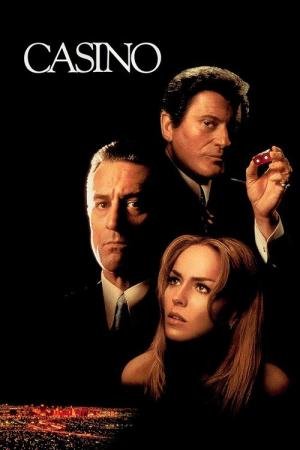
Director: Martin Scorsese
A glittering descent into obsession and paranoia.
- Portrayed control slowly unraveling
- Balanced charm with anxiety
- Made success feel fragile
16
The Irishman (2019)
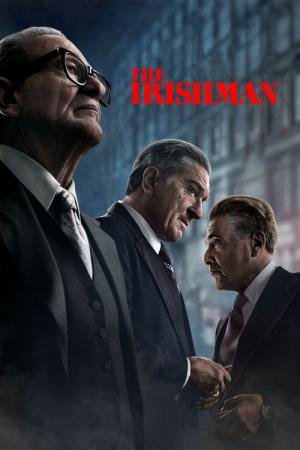
Director: Martin Scorsese
A quiet, elegiac farewell to the gangster era.
- Played aging as emotional emptiness
- Used restraint instead of intensity
- Delivered one of his saddest final scenes
15
The King of Comedy (1982)
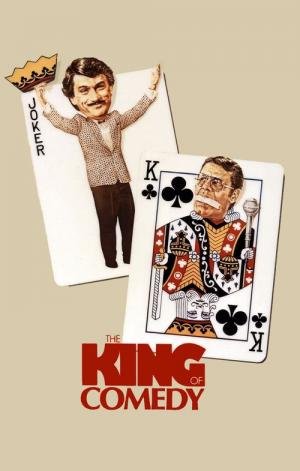
Director: Martin Scorsese
A chilling prediction of celebrity obsession and entitlement.
- Embraced awkwardness fully
- Made delusion feel believable
- Refused audience sympathy
14
Mean Streets (1973)
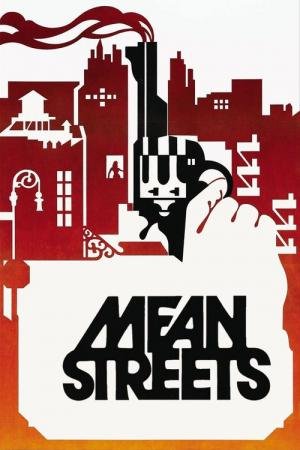
Director: Martin Scorsese
The birth of a legendary actor–director collaboration.
- Played chaos incarnate
- Stole every scene unpredictably
- Redefined screen presence
13
Cape Fear (1991)
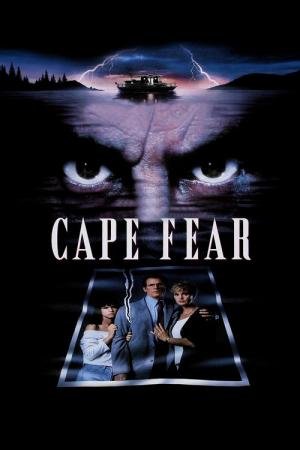
Director: Martin Scorsese
A masterclass in controlled, theatrical villainy.
- Extreme physical transformation
- Played menace as intelligence
- Made evil feel patient
12
Silver Linings Playbook (2012)
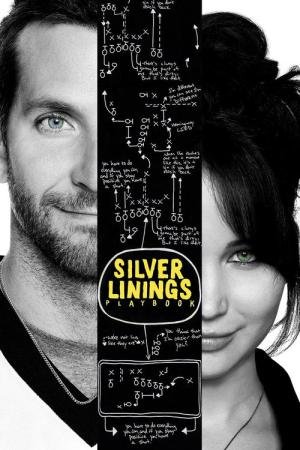
Director: David O. Russell
Proof of De Niro’s late-career brilliance.
- Balanced humor and grief
- Played superstition as love
- Earned an Oscar nomination
11
Bang the Drum Slowly (1973)
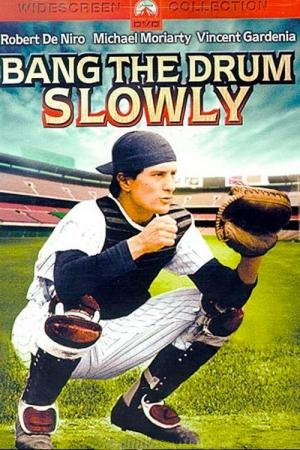
Director: John D. Hancock
One of De Niro’s earliest emotional performances.
- Showed empathy over intensity
- Played friendship gently
- Revealed early depth
10
Midnight Run (1988)
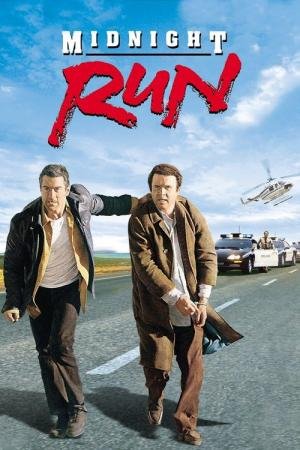
Director: Martin Brest
Why it’s essential:
A perfect blend of action and comedy.
What makes De Niro special here:
- Natural comedic timing
- Played exhaustion instead of jokes
- Built chemistry through realism
9
Ronin (1998)
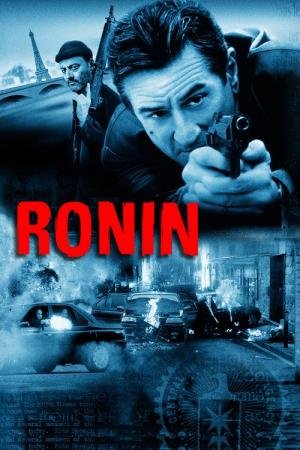
Director: John Frankenheimer
Why it’s essential:
One of the smartest action thrillers of the 90s.
What makes De Niro special here:
- Played competence, not bravado
- Elevated realism
- Let intelligence lead
8
Awakenings (1990)
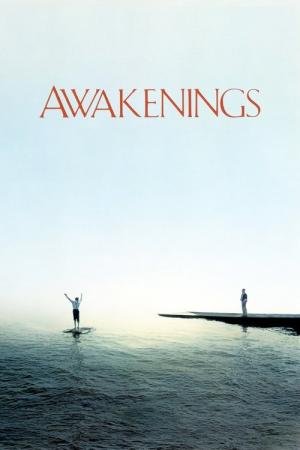
Director: Penny Marshall
A deeply humane medical drama.
- Physical acting over dialogue
- Expressed vulnerability honestly
- Avoided sentimentality
7
Killers of the Flower Moon (2023)
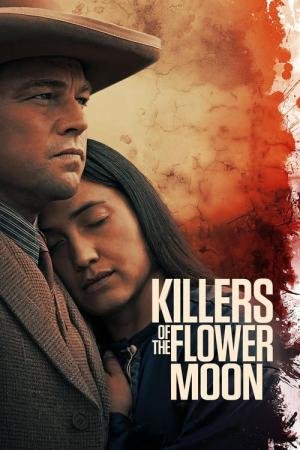
Director: Martin Scorsese
One of De Niro’s most disturbing villains.
- Played evil as polite and smiling
- Used calm manipulation
- Avoided caricature
6
The Intern (2015)

Director: Nancy Meyers
A rare portrayal of gentle masculinity.
- Warm, patient presence
- Redefined aging on screen
- Quiet authority
5
Meet the Parents (2000)
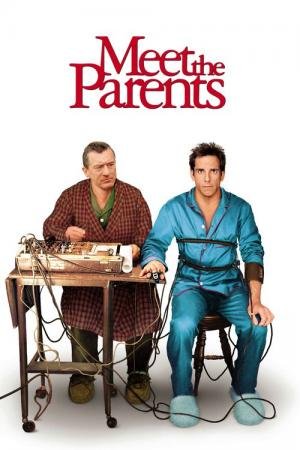
Director: Jay Roach
A comedy classic powered by tension.
- Weaponized seriousness for laughs
- Controlled menace
- Created a pop-culture icon
4
Analyze This (1999)
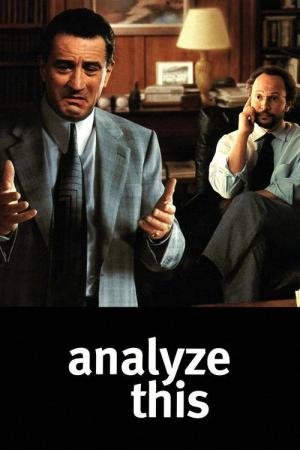
Director: Harold Ramis
A clever self-parody of De Niro’s image.
- Played insecurity beneath authority
- Balanced humor with character
- Subverted expectations
3
Analyze That (2002)
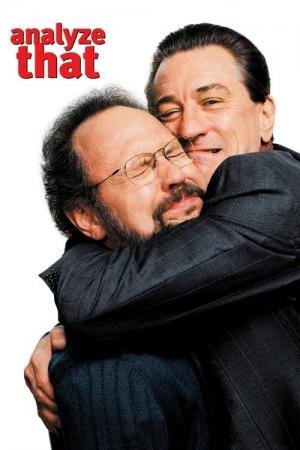
Director: Harold Ramis
A lighter continuation for fans.
- Leaned into caricature
- Played against his legacy
- Embraced silliness
2
The Good Shepherd (2006)
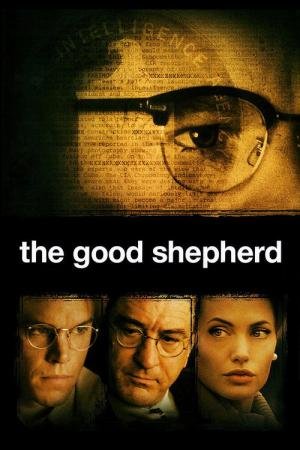
Director: Robert De Niro
A serious, political character study.
- Cold, disciplined direction
- Focused on restraint
- Avoided spectacle
1
Brazil (1985)
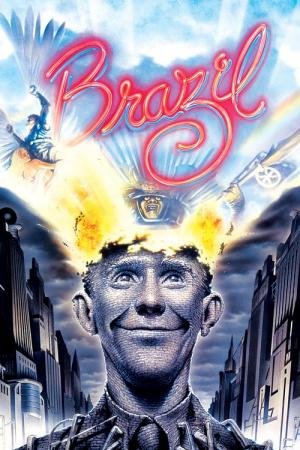
Director: Terry Gilliam
A cult classic of dystopian satire.
- Played against type
- Embraced absurdity
- Left a lasting impression
Robert De Niro didn't simply have an amazing career, he also changed the way people think about professional cinematic acting. Over the course of five decades, his performances discreetly changed how filmmakers think about character, realism, and emotional truth. They had an impact on generations of performers and directors who came after him.
This list isn't based on how popular or how much money the movies made, it's a critical selection based on performance, cultural effect, and lasting importance. Watching these films in succession is like following the history of contemporary filmmaking, from its rough, street-level reality to its more thoughtful, restrained style later on. They make up a corpus of work that people still study, argue about, and learn from long after the last scene fades.
Weekly trending