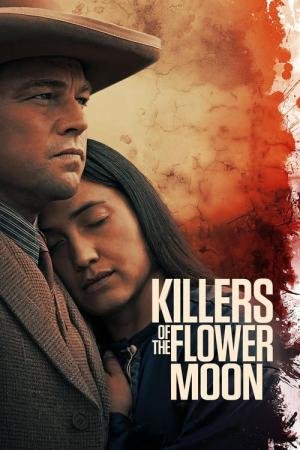
When oil is discovered beneath Osage Nation land in 1920s Oklahoma, members of the Osage community begin to die under suspicious circumstances, one by one—until the FBI intervenes to uncover the truth behind the murders.
Official Trailer • Courtesy of YouTube
Killers of the Flower Moon - Movie Crew Info
Director:
Producers:
Screenplay:
Based On:
Cinematographer:
Editor:
Production Designer:
Costume Designer:
Music Composer:
Casting Director:
Set in the 1920s, "Killers of the Flower Moon" tells the gripping and tragic true story of the Osage Nation, a Native American tribe in Oklahoma that became incredibly wealthy after oil was discovered on their land. This newfound wealth, however, brought dark consequences. Members of the Osage tribe began dying under suspicious circumstances, and it quickly became clear that there was a sinister plot to illegally seize their wealth through murder.
The story centers around Mollie Burkhart, a member of the Osage Nation, whose family is targeted one by one. Her husband, Ernest, and several close relatives are among those who mysteriously die or are killed. As the deaths mount, fear and suspicion grow within the community. Mollie’s struggle to protect her family and seek justice becomes a powerful emotional core of the film.
To investigate the murders, the newly formed FBI steps in, sending agent Tom White to uncover the truth. White is a determined and honest lawman who faces immense challenges as he digs deeper into the case. He discovers a widespread conspiracy involving local white residents who manipulated the legal system and exploited the Osage people’s trust for financial gain.
The film explores themes of greed, racism, and injustice, showing how the Osage were systematically victimized by those supposed to protect them. It also highlights the resilience and courage of the Osage people as they fight back against the corruption and violence surrounding them.
Visually, the movie captures the stark beauty of 1920s Oklahoma, contrasting the serene landscapes with the dark undercurrents of betrayal and violence. The performances are heartfelt, especially those portraying the Osage characters, giving a voice to a story that has long been overlooked in American history.
"Killers of the Flower Moon" is not just a crime story but a powerful examination of a painful chapter in U.S. history. It sheds light on the devastating impact of greed and prejudice while honoring the strength of a community determined to seek justice for their own. Through its compelling narrative and emotional depth, the film invites viewers to remember and reflect on this haunting true story.

Killers of the Flower Moon teaches us about the devastating impact of greed and prejudice on innocent lives. It reveals the dark history of the Osage Nation, whose members were brutally targeted for their oil wealth. The film evokes deep empathy, showing how trust was shattered and justice delayed. It reminds us to recognize and confront systemic injustice, honoring the resilience of those who suffered. Ultimately, it calls for truth, remembrance, and a commitment to protect human dignity against exploitation.
Awards
Academy Awards (2024)
Best Supporting Actor – Leonardo DiCaprio
Best Cinematography – Rodrigo Prieto
Golden Globe Awards (2024)
Best Motion Picture – Drama
BAFTA Awards (2024)
Best Director – Martin Scorsese
Critics’ Choice Movie Awards (2024)
Best Score – Robbie Robertson
"Killers of the Flower Moon," directed by Martin Scorsese, faced discussions primarily around its portrayal of Native American history and the Osage murders of the 1920s. Some critics debated the film's approach to representing Indigenous perspectives, stressing the need for authentic voices in storytelling. Additionally, there were concerns about Hollywood’s historical accuracy and the potential for dramatization overshadowing real events. While the film received acclaim, conversations about cultural sensitivity and the ethical responsibility of depicting traumatic histories were prominent. No major censorship issues were reported, but the movie sparked important public discourse on representation and historical accountability.