Apollo 13 (1995)

Apollo 13
⭐ 7.7/10 IMDb
Genre: Adventure Drama History
Country: USA
Duration: 2h 20m | Year: 1995

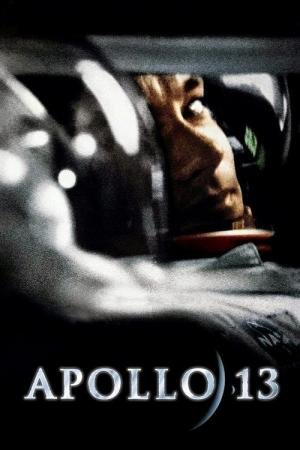
The true story of the technical failures that cripple the Apollo 13 lunar mission in 1971, endangering astronaut Jim Lovell and his crew. What begins as a routine voyage becomes a gripping fight for survival, as the astronauts—stranded over 200,000 miles from Earth—battle against the odds in a remarkable display of courage and ingenuity.

SurvivalDisasterSpace travelRescueTrapped in spaceRace against timeAstronautNasaSpace explorationMoonAgainst the oddsSpace program

Official Trailer • Courtesy of YouTube

Movie Team / Crew Detail

Apollo 13 - Movie Crew Info

  • Director: Ron Howard
  • Producer: Brian Grazer
  • Screenplay: William Broyles Jr., Al Reinert
  • Based on: "Lost Moon: The Perilous Voyage of Apollo 13" by Jeffrey Kluger and James Lovell
  • Cinematography: Dean Cundey
  • Film Editing: Mike Hill, Dan Hanley
  • Music Composer: James Horner
  • Production Designer: Norman Reynolds
  • Art Director: Leslie Dilley
  • Costume Designer: Sharon White
  • Visual Effects Supervisor: Robert Legato
  • Sound Designer: Randy Thom

Movie Summary

Apollo 13 is a gripping true story about a space mission that almost ended in disaster but became a remarkable tale of survival and teamwork. The movie follows astronauts Jim Lovell, Jack Swigert, and Fred Haise as they set out on NASA’s third mission to the moon. Their goal is to land on the lunar surface and explore, just like previous missions had done. Everything begins smoothly, with excitement and hope filling the spacecraft and mission control back on Earth.

However, just two days into the flight, a sudden explosion damages their spacecraft, leading to a critical failure of the oxygen tanks and power systems. This causes a life-threatening situation that turns their mission from exploration into a desperate fight to stay alive. With limited power, dwindling oxygen, and rising carbon dioxide levels, the crew must find ways to conserve resources while figuring out how to safely return to Earth. The tension rises as they face constant challenges in the cold and cramped environment of the damaged spacecraft.

On the ground, the NASA team works around the clock to come up with solutions. Engineers, scientists, and flight controllers collaborate, trying to solve problems no one was ever prepared to face. They design new procedures and tools with whatever materials the astronauts have on board, showing incredible creativity and determination. The film highlights the intense pressure and teamwork both in space and on Earth, emphasizing how every decision and action could mean the difference between life and death.

Jim Lovell, played with heartfelt realism, stands out as a calm and experienced leader, guiding his crew through the crisis. The actors bring a strong emotional connection to their roles, making the audience feel the fear, hope, and perseverance they experience. The movie doesn’t just focus on the technical details of space travel; it also explores the human side of the story—the worries of families waiting for news, the strain on relationships, and the courage it takes to face the unknown.

As the story unfolds, the astronauts execute daring maneuvers to stabilize their spacecraft, conserve energy, and navigate back to Earth. The famous line, “Houston, we have a problem,” captures the moment the crew realizes their situation is dire but manageable with teamwork and ingenuity. The movie builds suspense by showing the countdown to re-entry, the uncertain angle of their descent, and the hope that they will survive the fiery return through Earth’s atmosphere.

In the end, Apollo 13 is a powerful tribute to human spirit and collaboration under pressure. The mission does not achieve its original goal of landing on the moon, but the safe return of the astronauts becomes an incredible achievement in itself. The film reminds viewers how science, courage, and teamwork can overcome even the most dangerous obstacles, leaving a lasting impression about resilience and hope in the face of adversity.

What This Movie Teaches Us

Apollo 13 teaches the power of hope, teamwork, and resilience in the face of life-threatening adversity. The film shows how human ingenuity and unwavering determination can overcome seemingly impossible challenges. It reminds us that even in moments of crisis, courage and collaboration can turn disaster into triumph. Emotionally, it connects us to the astronauts’ fear and the families’ anxiety, inspiring appreciation for the sacrifices behind space exploration and the strength found in unity during the darkest hours.

Awards & Nominations

Awards

  • Academy Awards (1996)
    Won: Best Film Editing – Mike Hill, Dan Hanley
    Won: Best Sound – Rick Dior, Steve Pederson, Scott Millan, Greg P. Russell
    Won: Best Visual Effects – Robert Legato, Michael Kanfer, Matthew Radford, Leslie Ekker

  • BAFTA Awards (1996)
    Won: Best Sound

  • Satellite Awards (1996)
    Won: Best Art Direction & Production Design – Michael Corenblith

Iconic Scenes

  1. The Oxygen Tank Explosion: Mid-mission silence shatters as a violent explosion rocks the spacecraft, sending debris and alarms into chaos, capturing raw panic and uncertainty.

  2. "Houston, we’ve had a problem": Jim Lovell’s calm yet tense voice breaks the news to Mission Control, marking a pivotal moment of crisis and teamwork.

  3. Power Conservation: Inside the dimly lit cabin, astronauts huddle amidst flickering instruments, battling freezing cold and dwindling power, embodying human resilience.

  4. Safe Splashdown: The capsule’s fiery re-entry streaks across the sky, culminating in a tense, triumphant ocean landing, symbolizing hope and survival.

  5. Mission Control’s Silent Prayer: Faces illuminated by screens, the ground team holds breath, their unity and determination palpable in the hushed control room.

Controversies

The movie Apollo 13 (1995) faced limited controversy but did generate some public debate regarding historical accuracy. NASA experts and space historians praised its overall realism but noted certain dramatizations, such as timelines and character interactions, were altered for narrative effect. Some criticized the portrayal of astronaut Ken Mattingly, initially blamed for the mission's complications, arguing the film simplified complex NASA decision-making. There were no significant censorship issues associated with the film. Overall, Apollo 13 was viewed positively, with minor critiques focused on balancing cinematic storytelling with factual precision.